
SENSORY INTEGRATION THERAPY
Sensory Integration Therapy — Helping Your Child Make Sense of the World
Every child experiences the world through their senses. When sensory processing does not work smoothly, everyday activities like getting dressed, eating meals, or playing with friends can become overwhelming. At Beyond Barriers, our sensory integration therapy helps your child build the neurological foundations they need to thrive — so they can participate fully in the activities that matter most to your family.
Understanding Sensory Integration Therapy
Developed by Dr. A. Jean Ayres, Sensory Integration (SI) therapy is a specialized, evidence-based approach that helps children process and respond to sensory information more effectively.
What Is Ayres Sensory Integration?
Sensory integration is the neurological process by which your child’s brain organizes and interprets information received through the senses. When this process works well, your child can respond to their environment in a calm, organized, and purposeful way. When sensory processing is disrupted, even simple tasks like brushing teeth, sitting in a classroom, or tolerating a hug can become sources of distress.
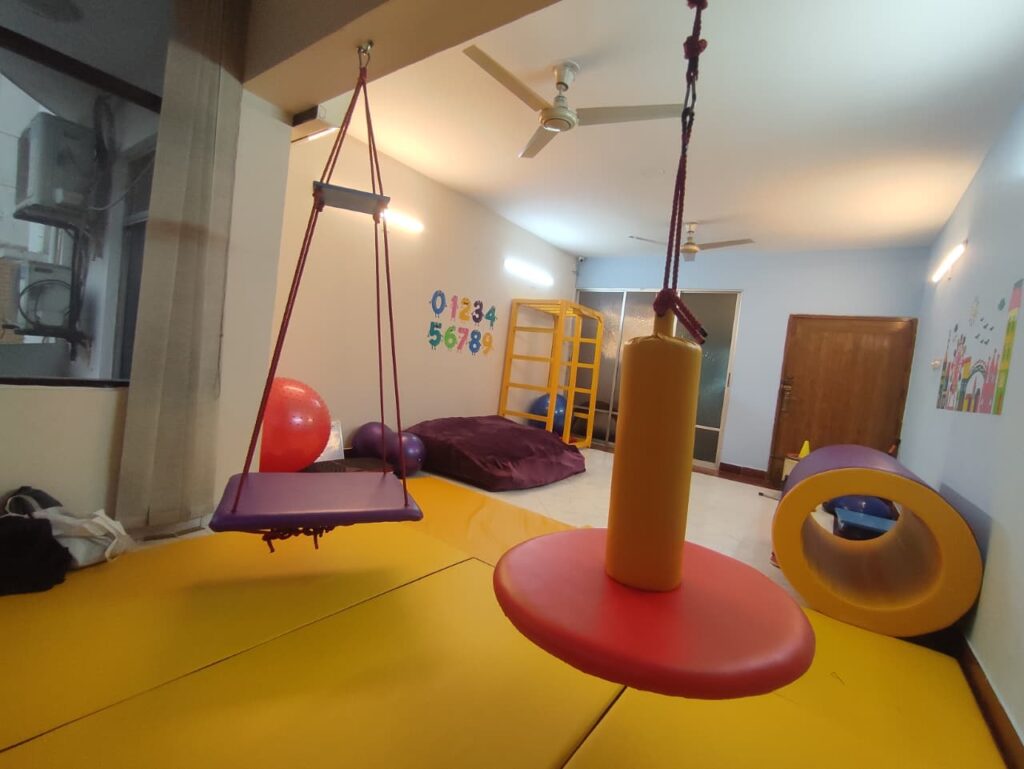
At Beyond Barriers, our sensory integration therapy follows the Ayres Sensory Integration (ASI) framework — the gold standard in sensory-based treatment. Our trained occupational therapists create individualized, play-based sessions in a specially designed sensory gym that challenges your child’s sensory systems in a safe, supportive, and joyful way.
The 8 Sensory Systems
Most people know about the five traditional senses, but our brains actually process information from eight distinct sensory systems: Visual (sight), Auditory (hearing), Tactile (touch), Vestibular (balance and movement), Proprioceptive (body awareness and position), Gustatory (taste), Olfactory (smell), and Interoceptive (internal body signals like hunger, thirst, and temperature). Difficulties in any of these systems can significantly impact your child’s daily life, behavior, and ability to learn.
Who Benefits from Sensory Integration Therapy?
Sensory integration therapy is especially beneficial for children diagnosed with Autism Spectrum Disorder (ASD), Attention Deficit Hyperactivity Disorder (ADHD), Sensory Processing Disorder (SPD), developmental delays, and learning differences. However, many children who have not received a formal diagnosis also benefit significantly. If your child seems overwhelmed by everyday sensory experiences or avoids certain activities, sensory integration therapy may be the key to unlocking their potential.
We work closely with parents, providing guidance, regular feedback, and practical strategies so progress continues at home. Your involvement is the most powerful ingredient in your child’s success.
Signs Your Child May Need Sensory Integration Therapy
Every child is unique, and sensory challenges can look different from one child to another. Here are some common signs that may indicate your child could benefit from sensory integration therapy.
🤲
Over- or Under-Sensitivity to Touch
Your child may pull away from being touched, refuse certain clothing textures, or dislike having their hair brushed. Alternatively, they may not notice when they bump into things or seem unaware of pain.
⚖️
Fear of Movement or Heights
Does your child avoid swings, slides, or playground equipment? A fear of having their feet leave the ground or being tipped backward may signal vestibular processing difficulties that benefit from targeted therapy.
🔊
Difficulty with Loud Sounds
Covering ears in noisy environments, becoming distressed by everyday sounds like a blender or vacuum, or refusing to attend social gatherings may indicate auditory processing sensitivity that needs professional support.
🏃
Constantly Seeking Movement
Some children crave intense movement — spinning, jumping, crashing into furniture, or rocking. This is not misbehavior; it is their nervous system seeking the sensory input it needs. Therapy helps meet these needs constructively.
🍽️
Picky Eating & Texture Aversions
Extreme food selectivity — refusing foods because of texture, smell, or appearance — often has sensory roots. If your child gags at certain textures or eats only a very limited range of foods, oral sensory processing may be a factor.
🧍
Difficulty with Personal Space
Children with proprioceptive processing challenges may stand too close to others, bump into peers, or have difficulty understanding physical boundaries. This can affect friendships and classroom participation.
🔄
Trouble with Transitions
Extreme difficulty moving from one activity to another, severe distress when routines change, or becoming dysregulated when entering new environments can be signs that your child’s sensory system needs additional support.
😣
Meltdowns in Busy Environments
Frequent emotional outbursts or shutdowns in shopping malls, birthday parties, or crowded places often result from sensory overload — too much input for the child’s nervous system to process at once.
Our Approach to Sensory Integration
Our therapists use a combination of proven, evidence-based techniques tailored to your child’s unique sensory profile. Every session is designed to be engaging, playful, and therapeutic.
Ayres Sensory Integration (ASI)
Sensory Diet Programs
Therapeutic Listening
Wilbarger Brushing Protocol
Heavy Work Activities
Environmental Modifications
Individualized Sensory Profiles
Every child’s sensory needs are unique. We begin with a comprehensive sensory assessment to understand your child’s specific patterns — what they seek, what they avoid, and what helps them feel regulated and calm.
Fully-Equipped Sensory Gym
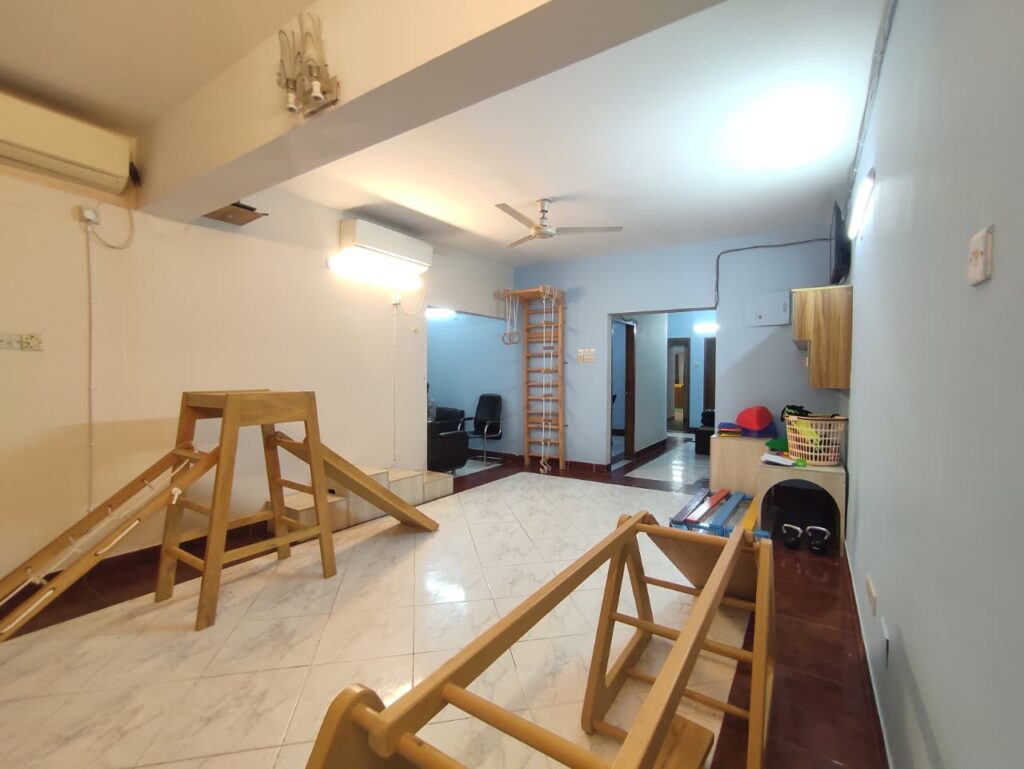
Our therapy rooms are designed with suspended equipment, tactile walls, weighted materials, and specialized tools that provide a rich sensory environment where children can explore, play, and grow at their own pace.
Parent-Therapist Partnership
We work closely with parents, providing guidance, regular feedback, and practical strategies so progress continues at home. We also create personalized sensory diets — activities to support regulation throughout the day.
Measurable Progress Tracking
We set clear, functional goals and track your child’s progress systematically. Regular reassessments ensure our approach evolves with your child, and you will always know exactly how your child is progressing.
What to Expect
Your child’s sensory integration journey at Beyond Barriers follows a carefully structured process designed to ensure the best possible outcomes.
1
Sensory Assessment
Our occupational therapist completes a comprehensive sensory profile assessment, parent interviews, and clinical observation to understand your child’s unique sensory needs and challenges.
2
Personalized Plan
Based on assessment results, we create an individualized therapy plan with specific, measurable goals. We also develop a sensory diet — a home program of activities to support your child’s regulation throughout the day.
3
Therapy Sessions
Your child attends regular one-on-one sessions in our sensory gym. Sessions are playful and child-led, but carefully structured by our therapist to target specific sensory processing goals and build new neural pathways.
4
Review & Progress
We reassess your child’s progress regularly, adjust therapy goals as they grow, and provide ongoing parent coaching. Together, we celebrate every milestone and ensure your child continues to thrive.
Frequently Asked Questions
We understand you may have questions about sensory integration therapy. Here are answers to the most common ones we hear from parents.
What is Sensory Processing Disorder (SPD)?
Sensory Processing Disorder is a condition in which the brain has difficulty receiving and responding to sensory information. Children with SPD may be overly sensitive (hypersensitive) to certain stimuli, under-responsive (hyposensitive), or may seek out intense sensory experiences. SPD can exist on its own or alongside other conditions such as autism, ADHD, or anxiety. At Beyond Barriers, our therapists are specially trained to identify and address sensory processing challenges across all eight sensory systems.
How is sensory processing difficulty different from behavioral issues?
It can be easy to confuse sensory-driven behaviors with intentional misbehavior. When a child has a meltdown in a noisy store or refuses to wear certain clothing, it may look like defiance — but it is actually a physiological response to overwhelming sensory input. Our assessments help distinguish between sensory-based challenges and purely behavioral ones, so your child receives the right kind of support. Understanding the root cause changes everything.
How long does sensory integration therapy take?
The duration of therapy varies based on your child’s individual needs and goals. Some children show significant improvement within a few months, while others benefit from longer-term support. Most children attend sessions once or twice per week, with each session lasting 45 to 60 minutes. We reassess regularly and adjust our approach as your child progresses. Our goal is always to help your child develop the self-regulation skills they need to participate fully in everyday life.
What is a sensory diet and can I do it at home?
A sensory diet is a personalized plan of sensory activities designed to help your child stay calm, focused, and organized throughout the day. It is not about food — it is about providing your child’s nervous system with the right kind and amount of sensory input at the right times. Our therapists create a home-based sensory diet tailored to your child and teach you exactly how to implement it. Activities might include jumping on a trampoline before homework, using a weighted blanket during rest time, or playing with textured materials before meals.
Who benefits most from sensory integration therapy?
Children with Autism Spectrum Disorder, ADHD, Sensory Processing Disorder, developmental delays, and learning differences often benefit most from sensory integration therapy. However, any child who struggles with sensory-related challenges — whether formally diagnosed or not — can benefit. If your child has difficulty with daily routines, becomes overwhelmed in certain environments, or avoids or craves certain sensory experiences, this therapy may be a wonderful fit for your family.
Related Services
Children receiving sensory integration therapy often benefit from these complementary services at Beyond Barriers.
Fine Motor Therapy
Strengthening hand coordination, pencil grip, and manipulation skills that support writing, self-care, and play activities for your child’s independence.
Oromotor Therapy
Addressing oral sensory sensitivities, feeding difficulties, and oral motor coordination challenges that often accompany sensory processing differences.
Early Intervention
Comprehensive support for infants and toddlers showing early signs of developmental differences, giving your child the strongest possible start during critical growth periods.