Pediatric Physical Therapy
Pediatric Physical Therapy — Helping Your Child Move with Confidence
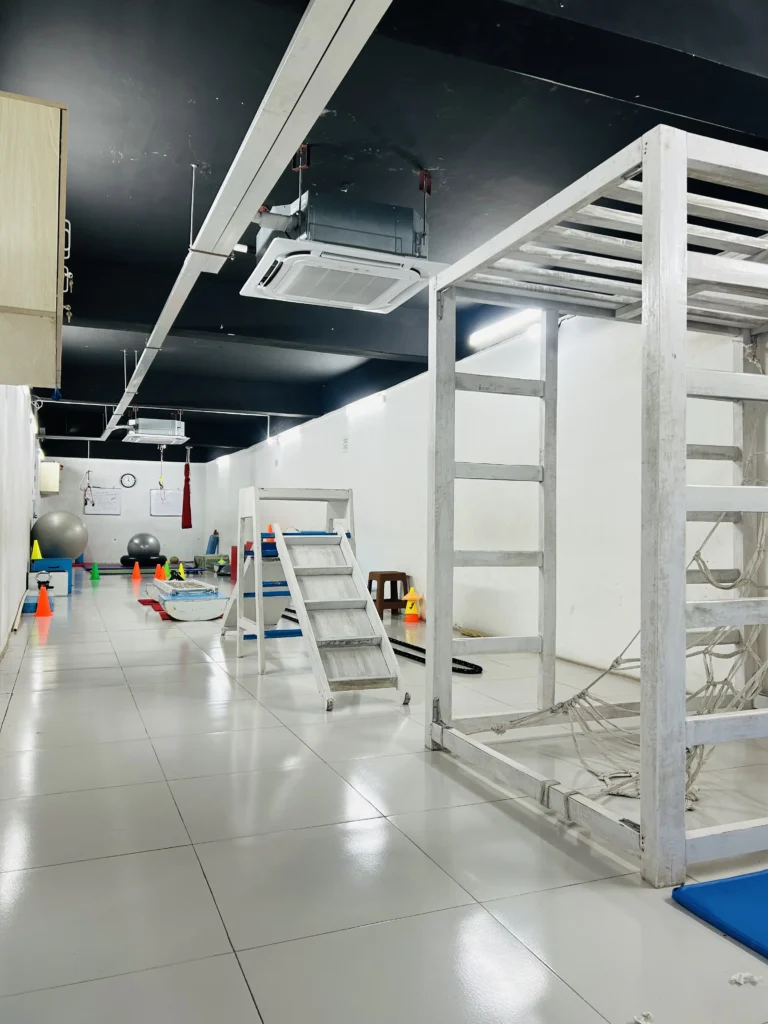
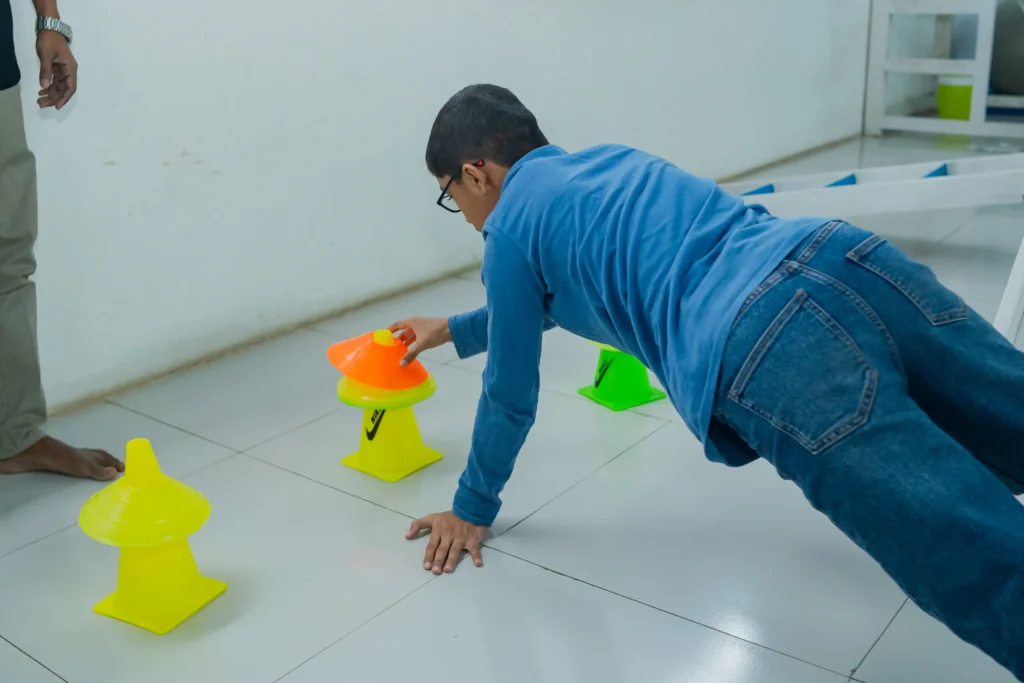
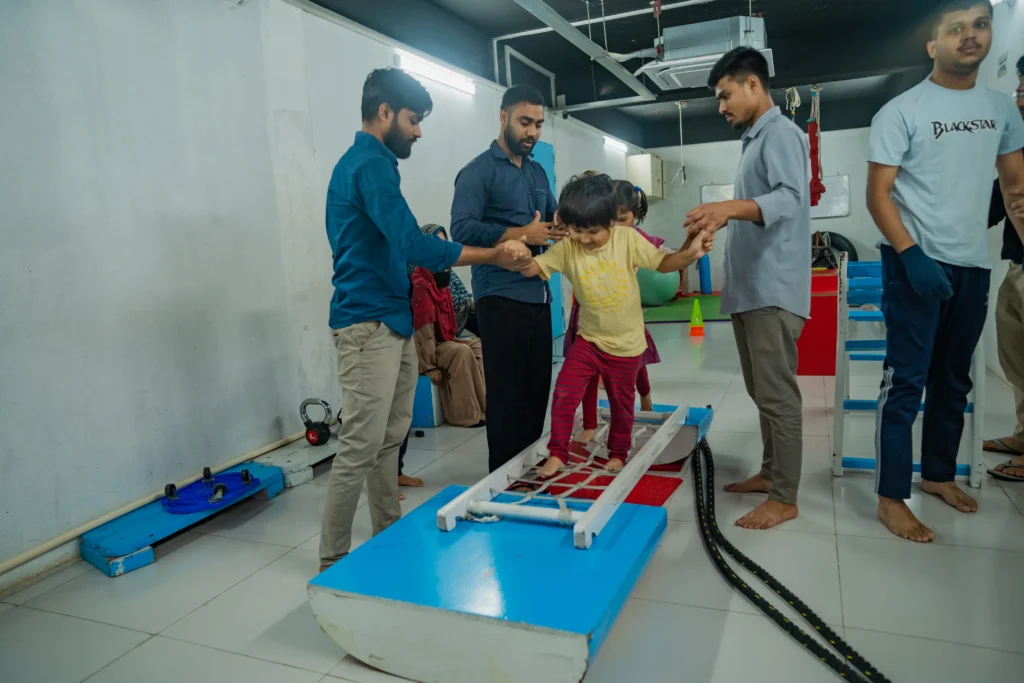
Every child deserves the freedom to run, jump, climb, and explore the world around them. At Beyond Barriers, our pediatric physical therapy program helps children build the strength, balance, and coordination they need to move through life with joy and confidence. We work closely with parents, providing guidance, regular feedback, and practical strategies so progress continues at home.
Understanding Physical Therapy
What Is Pediatric Physical Therapy?
Pediatric physical therapy is a specialized branch of rehabilitation that focuses on helping children develop, recover, and improve their physical abilities. Our licensed physical therapists work with children who experience challenges with gross motor skills — the large-body movements that are essential for everyday life.
Whether your child is experiencing gross motor delays, living with a neurological condition such as cerebral palsy, recovering from orthopedic surgery, or simply struggling to keep up physically with their peers, pediatric PT provides a structured, compassionate pathway toward greater independence. Our therapists address strength, balance, coordination, endurance, and functional mobility through evidence-based interventions tailored to each child’s unique needs.
At Beyond Barriers, we believe that movement is the gateway to exploration, learning, and self-confidence. When a child can move freely, they can play, interact with friends, and participate fully in school and family life. Our team creates a warm, encouraging environment where children feel motivated to try new things and celebrate every milestone along the way.
Signs Your Child May Benefit from Physical Therapy
As parents, you know your child best. If you notice any of the following signs, it may be time to speak with a physical therapist. Early intervention can make a significant difference in your child’s physical development and overall quality of life.
🦶
Delayed Walking
Your child is not walking independently by 18 months or shows significant delays in reaching early motor milestones like sitting, crawling, or pulling to stand.
⚖️
Poor Balance & Coordination
Frequent falls, tripping, or difficulty maintaining balance during age-appropriate activities like standing on one foot, hopping, or navigating uneven surfaces.
🪜
Difficulty Climbing Stairs
Struggling to go up or down stairs with alternating feet, needing to hold on tightly, or avoiding stairs altogether due to fear or physical difficulty.
💪
Muscle Weakness
Noticeable weakness in the arms, legs, or core muscles that affects your child’s ability to sit upright, carry objects, or engage in physical play with peers.
🩰
Toe Walking
Persistently walking on toes beyond age 2, which may indicate tight calf muscles, sensory processing differences, or an underlying neurological condition.
🏃
Difficulty Keeping Up with Peers
Your child consistently lags behind during physical activities at school or play, avoids playground equipment, or seems reluctant to join in active games with friends.
🧍
Poor Posture
Slouching, leaning on furniture or walls for support, difficulty sitting upright at a desk, or complaints of fatigue and discomfort when maintaining an upright position.
🔋
Limited Endurance & Stamina
Tiring quickly during physical activities, needing frequent breaks, or showing significantly less energy than peers during walking, running, or structured exercise.
Our Approach to Pediatric Physical Therapy
Our physical therapists use a range of evidence-based tools and methods, carefully selected for each child’s unique profile and goals. Every treatment plan is designed in collaboration with families to ensure progress is meaningful and sustainable.
Bobath / NDT
Strength Training
Balance Training
Gait Training
Aquatic Therapy
Functional Mobility
Individualized Goal Setting
We set specific, measurable goals in partnership with parents, ensuring every therapy session has clear purpose and direction aligned with your family’s priorities.
Play-Based Interventions
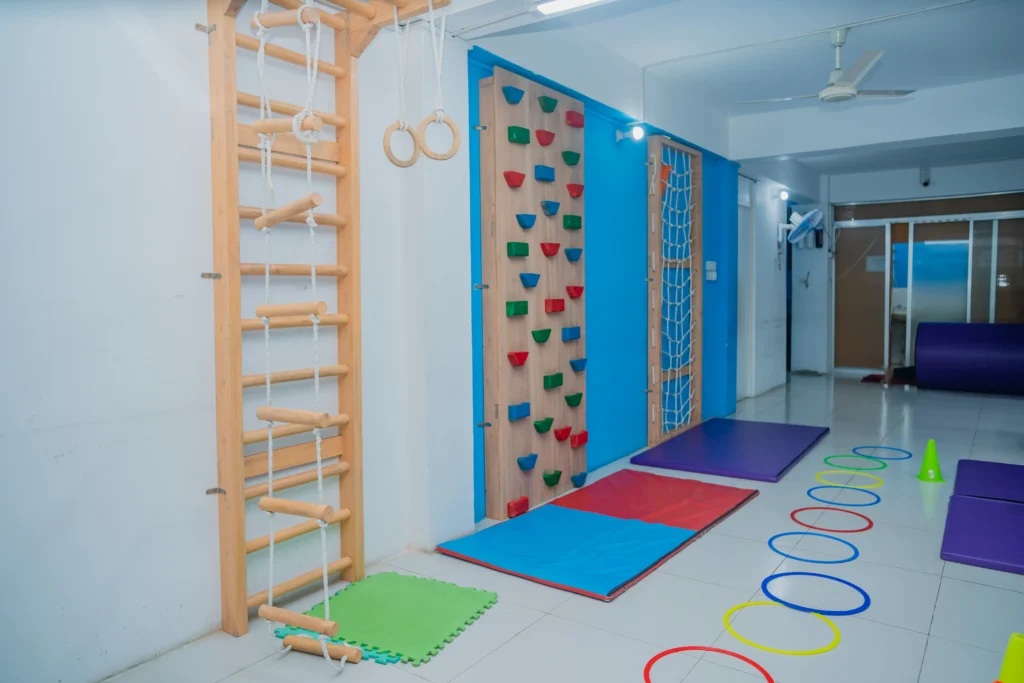
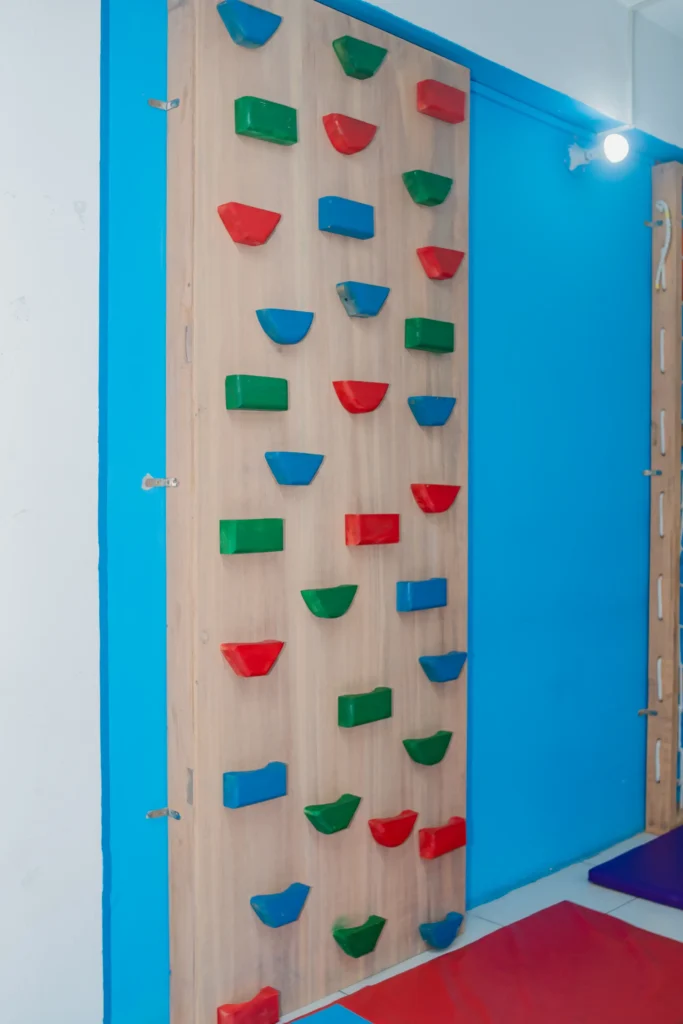
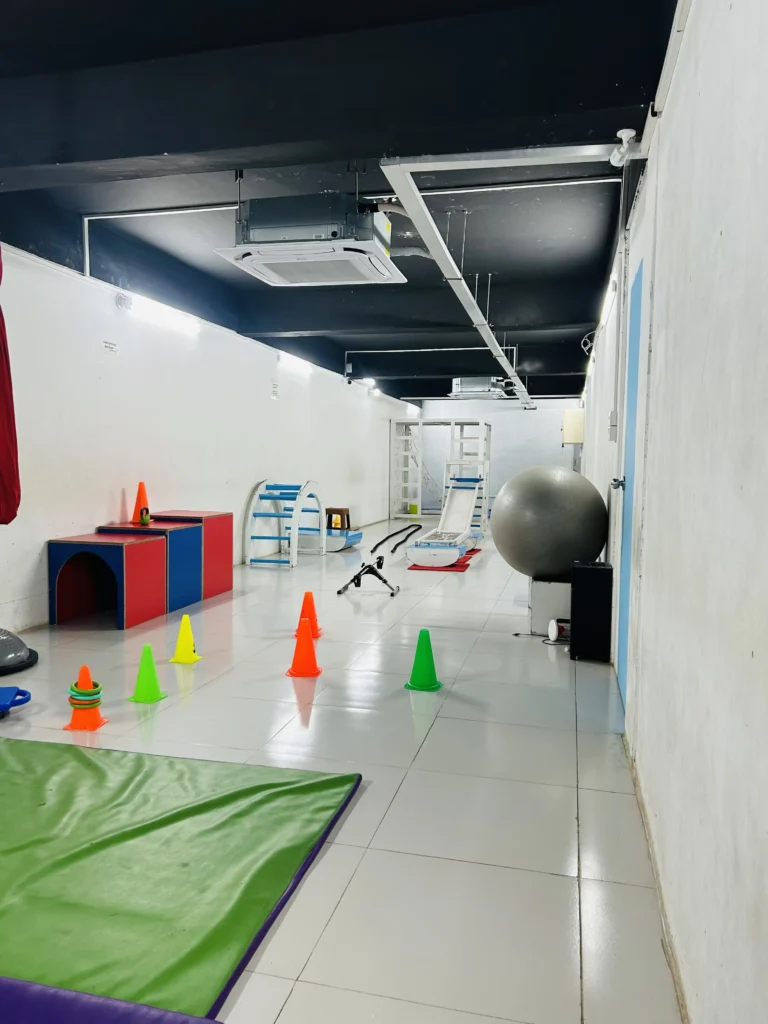
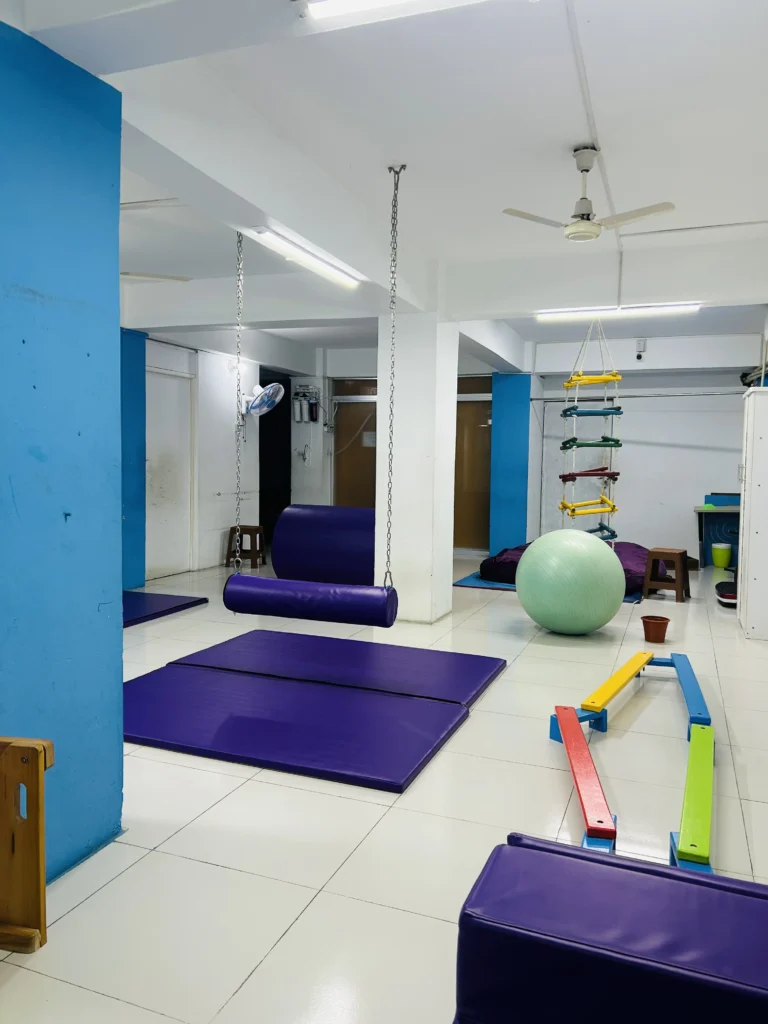
Therapy should feel like fun, not work. We embed therapeutic exercises into engaging play activities, obstacle courses, and games so children stay motivated and enjoy their sessions.
Family-Centered Care
We work closely with parents, providing guidance, regular feedback, and practical strategies so progress continues at home. Parents are active partners in every step of their child’s therapy journey.
Ongoing Progress Tracking
We continuously monitor and document your child’s progress with regular reassessments, adjusting treatment plans as needed to ensure optimal outcomes and celebrate achievements together.
What to Expect at Beyond Barriers
We want you to feel confident and informed every step of the way. Here is how your child’s physical therapy journey unfolds at our center.
1
Initial Consultation
We begin with a warm, thorough conversation with parents to understand your child’s history, concerns, and goals. This is your time to share everything and ask questions.
2
Comprehensive Assessment
Our therapist conducts a detailed physical evaluation of your child’s strength, range of motion, balance, coordination, and functional abilities using standardized assessment tools.
3
Personalized Treatment Plan
Based on assessment results, we create a customized therapy plan with clear milestones, recommended session frequency, and a home exercise program designed for your family’s routine.
4
Therapy & Progress Review
Regular therapy sessions begin, with ongoing progress reviews every 6-8 weeks. We keep parents informed at every stage, adjusting the plan as your child grows and achieves new milestones.
Frequently Asked Questions
We understand you may have many questions about physical therapy for your child. Here are answers to some of the most common ones. Do not hesitate to reach out if you need more information.
When should my child start physical therapy?
The earlier, the better. If your pediatrician or developmental specialist has identified motor delays or if you notice your child is not meeting physical milestones on time, starting therapy as soon as possible gives your child the best chance of catching up. Children’s brains are remarkably adaptable in the early years, and early intervention takes advantage of this neuroplasticity. At Beyond Barriers, we see children as young as a few months old for early motor concerns, and there is no age too early to begin a conversation about your child’s development.
How often will my child need physical therapy sessions?
Session frequency depends on your child’s specific needs and the severity of their condition. Most children benefit from one to three sessions per week, each lasting 30 to 60 minutes. During the initial assessment, our therapist will recommend a schedule tailored to your child. We also design a home exercise program so that therapeutic activities continue between sessions, maximizing your child’s progress without overwhelming your family’s routine.
Is physical therapy painful for children?
No. Our therapists are specially trained to work with children and prioritize creating a safe, comfortable, and enjoyable experience. While some stretching or strengthening exercises may feel challenging, they should never be painful. We use play, games, and creative activities to keep sessions fun and engaging. If a child shows signs of discomfort, our therapists immediately adjust the activity. Your child’s comfort and trust are always our top priority.
Will we receive home exercises to practice between sessions?
Absolutely. Home practice is a vital part of your child’s progress. After each session, our therapist will share specific activities and exercises that you can easily incorporate into your daily routine at home. These are designed to be simple, practical, and enjoyable for both you and your child. We provide clear instructions and demonstrations, and we are always available to answer questions between sessions. We work closely with parents, providing guidance, regular feedback, and practical strategies so progress continues at home.
What is the difference between physical therapy and occupational therapy?
While both physical therapy (PT) and occupational therapy (OT) help children improve their physical abilities, they focus on different areas. Physical therapy primarily addresses gross motor skills such as walking, running, jumping, balance, and overall strength and coordination. Occupational therapy focuses more on fine motor skills, sensory processing, self-care tasks, and the ability to participate in daily activities. Many children benefit from both, and at Beyond Barriers, our PT and OT teams collaborate closely to provide comprehensive, integrated care for your child.
Related Services Your Child May Benefit From
Many children benefit from a combination of therapies. Our multidisciplinary team collaborates to ensure your child receives holistic, integrated support across all areas of development.
🧠
Neurodevelopmental Therapy
Specialized therapy for children with neurological conditions, supporting brain development and functional movement through targeted interventions and guided neuromotor re-education.
🏊
Aquatic Hydro Therapy
Water-based therapy that uses the natural buoyancy and resistance of water to help children build strength, improve range of motion, and develop motor skills in a supportive, low-impact environment.
🌀
Sensory Integration Therapy
Helps children who struggle to process sensory information, improving their ability to respond appropriately to touch, movement, sounds, and other sensory inputs for better daily functioning.