Neurodevelopmental Therapy
Building Stronger Movement and Motor Confidence
At Beyond Barriers, our Neurodevelopmental Therapy (NDT) program is designed for children with neurological conditions affecting movement, posture, and coordination. Using the internationally recognized Bobath approach, our therapists work to improve your child’s quality of movement, helping them achieve greater independence in everyday activities.


Understanding Neurodevelopmental Therapy
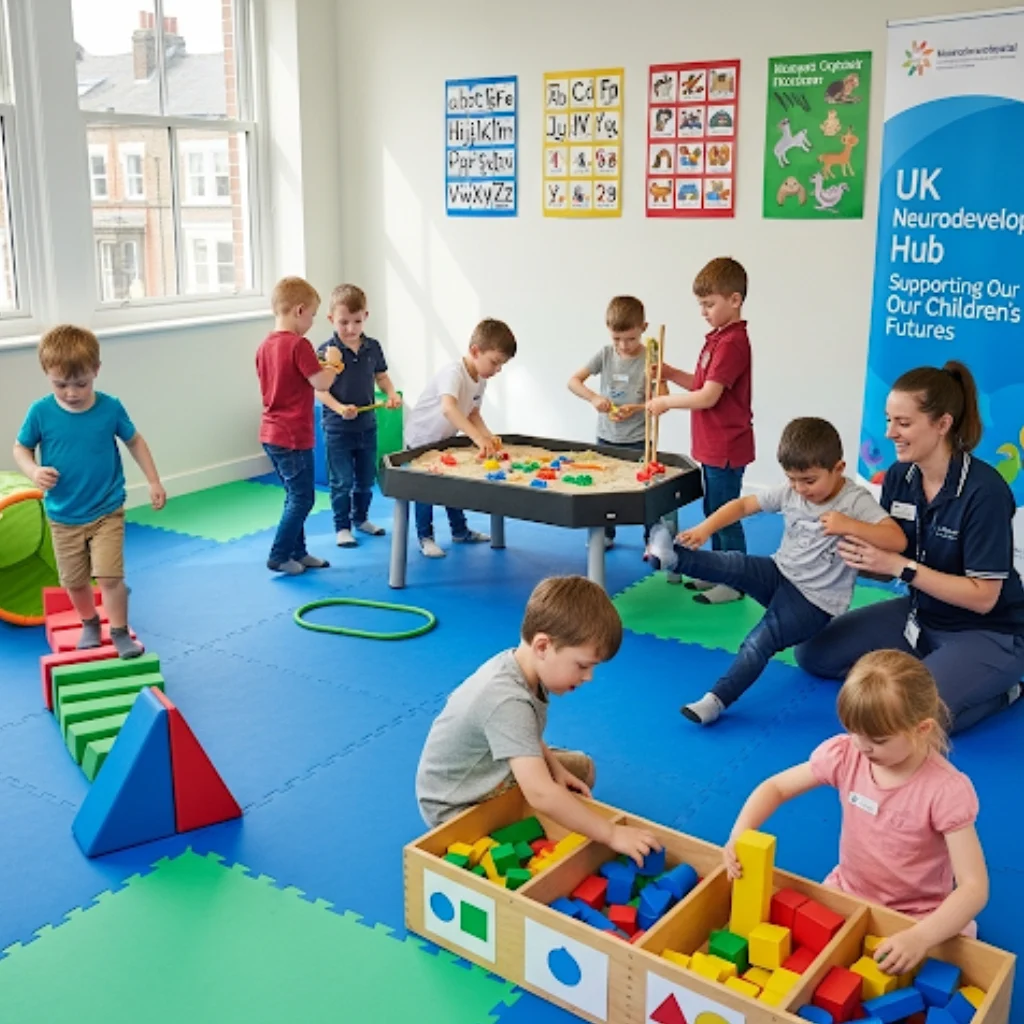
Neurodevelopmental Therapy is a specialized, hands-on therapeutic approach designed to help children with neurological conditions improve their movement, posture, balance, and overall physical function.
The Bobath Approach
The Bobath approach, also known as Neurodevelopmental Treatment (NDT), is one of the most widely used and evidence-based methods for treating children with cerebral palsy, brain injuries, and other neurological conditions. Developed by Berta and Karel Bobath, this approach focuses on analyzing each child’s unique movement patterns and facilitating more efficient, functional movement. Rather than using repetitive exercises, Bobath-trained therapists use skilled handling techniques to guide the child’s body through normal movement patterns, helping the brain learn new ways to control muscles and posture.
How NDT Helps Your Child
NDT helps children with neurological conditions by addressing the underlying movement challenges that affect their daily lives. Through carefully guided therapeutic handling, children learn to move with better alignment, improved balance, and greater coordination. This translates into real-world improvements: sitting more comfortably, reaching and grasping objects more effectively, walking with better stability, and participating more fully in play and daily activities. Our founder, Shanta Islam, PhD, has built a team with specialized NDT certification to ensure every child receives expert care.
Improving Movement Patterns & Posture
Children with neurological conditions often develop compensatory movement patterns that can lead to secondary problems over time — such as muscle tightness, joint deformities, or pain. NDT works proactively to address these patterns early, guiding the child toward more efficient and sustainable ways of moving. By improving postural control and core stability, children gain a stronger foundation for all their physical activities, from sitting and standing to walking and playing. Early intervention with NDT can significantly reduce the need for more intensive interventions later.

Signs Your Child May Benefit
If you notice any of the following signs in your child, neurodevelopmental therapy may help. Our team is here to evaluate your child’s movement and create a plan to support their physical development.
Abnormal Muscle Tone
Your child’s muscles may feel unusually stiff (high tone/spasticity) or floppy (low tone/hypotonia). This can affect their ability to hold positions, move smoothly, and perform everyday tasks independently.
Poor Head Control
If your baby has difficulty holding their head upright or their head tends to fall to one side, this may indicate weakness in the neck and trunk muscles that can be addressed through targeted NDT techniques.
Delayed Sitting or Walking
Significant delays in achieving major motor milestones — such as sitting independently, pulling to stand, or walking — may indicate an underlying neurological condition that benefits from specialized therapy.
Difficulty with Coordination
Your child struggles to coordinate movements involving both sides of the body — such as catching a ball, pedaling a tricycle, or using both hands together for tasks like dressing or cutting with scissors.
Balance Problems
Frequent falling, difficulty standing on one foot, or unsteadiness when walking on uneven surfaces can indicate challenges with balance and postural control that respond well to neurodevelopmental therapy.
Movement Asymmetry
If your child consistently favors one side of their body — using only one hand, turning their head to one direction, or dragging one leg — this asymmetry may indicate a neurological condition that should be assessed.
Difficulty with Transitions
Struggling to move between positions — such as rolling from back to tummy, getting up from the floor, or moving from sitting to standing — can signal challenges in motor planning and postural control.
Poor Trunk Stability
A weak core or trunk can cause your child to slouch, lean on surfaces for support, or tire quickly during seated activities. Strong trunk stability is the foundation for all skilled movements of the arms and legs.
Our Approach to Neurodevelopmental Therapy
We work closely with parents, providing guidance, regular feedback, and practical strategies so progress continues at home. Our NDT program is built on four therapeutic pillars that deliver meaningful, lasting results.
Bobath / NDT Technique
Our therapists use specialized Bobath handling techniques to inhibit abnormal movement patterns while facilitating more efficient, functional movements. Through gentle, skilled touch and positioning, we help your child’s nervous system learn new pathways for movement, gradually building more normalized patterns that carry over into daily life.
Goal-Directed Therapy
Every therapy session is designed around specific, meaningful goals that matter to your child and family. Whether it is learning to sit independently, improving hand function for feeding, or walking more steadily — we set clear, measurable objectives and work systematically toward achieving them, celebrating each milestone along the way.
Functional Movement Training
We focus on movements that matter in your child’s real life — getting in and out of a chair, climbing stairs, reaching for toys, and participating in play with peers. By practicing movements in functional, meaningful contexts, your child develops skills that transfer directly to their daily routines at home, school, and in the community.
Comprehensive Home Program
Progress does not stop when you leave our center. We design detailed, illustrated home exercise programs tailored to your child’s current abilities and goals. Our therapists demonstrate each activity, provide written and visual guides, and check in regularly to adjust the program as your child progresses. We believe parents are essential partners in therapy.
What to Expect
Beginning neurodevelopmental therapy is a positive step for your child. Here is what your journey will look like at Beyond Barriers.
1
Initial Movement Screening
We begin with a complimentary movement screening where our NDT-trained physiotherapist observes your child’s posture, muscle tone, and movement patterns. We listen carefully to your concerns and discuss your child’s medical history and daily challenges in a warm, supportive environment.
2
Comprehensive Motor Assessment
Our team conducts a detailed motor assessment using standardized tools such as the GMFM (Gross Motor Function Measure), evaluating your child’s movement quality, muscle tone, postural reactions, balance, and coordination. This assessment forms the foundation of your child’s individualized therapy plan.
3
Individualized NDT Program
Based on assessment findings, we design a therapy program targeting your child’s specific movement challenges. We set functional goals together with you — such as independent sitting, improved walking pattern, or better hand use — and create a structured plan with both in-center sessions and home activities.
4
Ongoing Therapy & Progress Tracking
Regular sessions combine hands-on NDT techniques with functional practice. Every 8–12 weeks, we re-assess your child’s progress using standardized measures, adjust therapy goals, and update your home program. We work closely with parents, providing guidance, regular feedback, and practical strategies so progress continues at home.
Frequently Asked Questions
Here are answers to the questions parents most commonly ask about neurodevelopmental therapy.
What conditions does neurodevelopmental therapy treat?
NDT is particularly effective for children with cerebral palsy, traumatic brain injury, stroke, developmental coordination disorder, Down syndrome, spina bifida, and other neurological conditions affecting movement. It is also beneficial for infants who show early signs of motor delay or asymmetry, allowing us to intervene before movement patterns become established.
How often will my child need NDT sessions?
Session frequency depends on your child’s needs and goals. Most children begin with 2–3 sessions per week, which may be adjusted over time as they progress. During periods of rapid growth or when working toward specific functional goals, more frequent sessions may be recommended. We always discuss scheduling with families to find a sustainable plan.
Is neurodevelopmental therapy painful for my child?
No, NDT should never be painful. Our therapists use gentle handling techniques and always work within your child’s comfort level. Sessions are designed to be engaging and enjoyable, often incorporating play and favorite activities. If your child shows any signs of discomfort, our therapists immediately adjust their approach. Building trust and a positive relationship with your child is a priority.
Can NDT be combined with other therapies?
Absolutely. NDT works best as part of a comprehensive therapy program. At Beyond Barriers, we frequently combine NDT with occupational therapy, speech therapy, and sensory integration. Our multidisciplinary team coordinates closely to ensure all therapies complement each other. We also collaborate with your child’s pediatrician and any external specialists involved in their care.
How will I know if my child is making progress?
We use standardized assessment tools to objectively track your child’s motor progress over time. You will receive written progress reports every 8–12 weeks, and our therapists discuss results with you in detail during review meetings. We also value your observations at home — parents often notice improvements in daily activities before they appear in formal testing. Together, we celebrate every achievement.
Related Services
Children receiving neurodevelopmental therapy often benefit from these complementary services at Beyond Barriers.
Early Intervention Program
Comprehensive early support for children aged 0–6 years showing signs of developmental delay, combining play-based therapy, parent coaching, and multidisciplinary care.
Oromotor Therapy
Addressing feeding difficulties, drooling, and speech clarity by targeting the muscles of the mouth, face, and jaw with specialized therapeutic techniques.
Cognitive Therapy
Strengthening attention, memory, problem-solving, and executive function to build your child’s confidence and readiness for learning and daily independence.